



Bhagavad Gita — Chapter 18: Moksha Sanyasa Yoga - मोक्षसन्यासयोग
संन्यासस्य महाबाहो तत्त्वमिच्छामि वेदितुम् ।
त्यागस्य च हृषीकेश पृथक्केशिनिषूदन ।। १ ।।
Arjuna said : O mighty-armed Sri Krsna, O inner controller of all, O Slayer of Kesi, I wish to know severally the truth of Samnyasa and Tyaga. (1)
अर्जुन बोले—हे महाबाहो ! हे अन्तर्यामिन् ! हे वासुदेव ! मैं संन्यास और त्याग के तत्त्व को पृथक्-पृथक् जानना चाहता हूँ ।। १ ।।
श्रीभगवानुवाच काम्यानां कर्मणां न्यासं संन्यासं कवयो विदुः ।
सर्वकर्मफलत्यागं प्राहुस्त्यागं विचक्षणाः ।। २ ।।
Sri Bhagavan said : Some sages understand Samnyasa as the giving up of all actions motivated by desire; and other thinkers declare that Tyaga consists in relinquishing the fruit of all actions. (2)
श्रीभगवान् बोले — कितने ही पण्डितजन तो काम्यकर्मों के त्याग को संन्यास समझते हैं तथा दूसरे विचार कुशल पुरुष सब कर्मों के फल के त्याग को त्याग कहते हैं ।। २ ।।
त्याज्यं दोषवदित्येके कर्म प्राहुर्मनीषिणः ।
यज्ञदानतपःकर्म न त्याज्यमिति चापरे ।। ३ ।।
Some wise men declare that all actions contain a measure of evil, and are therefore worth giving up, while others say that acts of
कई एक विद्वान् ऐसा कहते हैं कि कर्ममात्र दोष युक्त हैं, इसलिये त्यागने के योग्य हैं और दूसरे विद्वान् यह कहते हैं कि यज्ञ, दान और तपरूप कर्म त्यागने योग्य नहीं है ।। ३ ।।
निश्चयं शृणु मे तत्र त्यागे भरतसत्तम ।
त्यागो हि पुरुषव्याघ्र त्रिविधः संप्रकीर्तितः ।।४।।
Of Samnyasa and Tyaga, first hear My conclusion on the subject of Tyaga, O tiger among men, has been declared to be of three kinds—Sattvika Rajasika and Tamasika. (4)
हे पुरुष श्रेष्ठ अर्जुन ! संन्यास और त्याग, इन दोनों में से पहले त्याग के विषय में मेरा निश्चय सुन। क्योंकि त्याग सात्त्विक, राजस और तामस भेद से तीन प्रकार का कहा गया है ।।४।।
यज्ञदानतपःकर्म न त्याज्यं कार्यमेव तत् ।
यज्ञो दानं तपश्चैव पावनानि मनीषिणाम् ।।५।।
Acts of sacrifice, charity, and penance should not be abandoned; they must be performed. Indeed, sacrifice, charity, and penance are the purifiers of the wise.
यज्ञ, दान और तपरूप कर्म त्याग करने के योग्य नहीं है, बल्कि वह तो अवश्य कर्तव्य है, क्योंकि यज्ञ,
एतान्यपि तु कर्माणि संगं त्यक्त्वा फलानि च।
कर्तव्यानीति मे पार्थ निश्चितं मतमुत्तमम्।।६।।
Hence these acts of sacrifice, charity and penance, and all other acts too, must be performed without attachment and hope of reward: this is My considered and supreme verdict, Arjuna. (6)
इसलिये हे पार्थ ! इन यज्ञ, दान और तपरूप कर्मों को तथा और भी सम्पूर्ण कर्तव्य कर्मों को आसक्ति और फलों का त्याग करके अवश्य करना चाहिये; यह मेरा निश्चय किया हुआ उत्तम मत है ।।६।।
नियतस्य तु संन्यासः कर्मणो नोपपद्यते।
मोहात्तस्य परित्यागस्तामसः परिकीर्तितः।।७।।
The renunciation of prescribed duties is not proper; such abandonment born of delusion is declared to be in the mode of ignorance.
नियत कर्म का त्याग करना उचित नहीं है; मोहवश उसका परित्याग करना तामस त्याग कहलाता है।
दुःखमित्येव यत्कर्म कायक्लेशभयात्त्यजेत् ।
स कृत्वा राजसं त्यागं नैव त्यागफलं लभेत् ।। ८ ।।
Should anyone give up his duties for fear of physical strain, thinking that all action is verily of the nature of discomfort,—practising such Rajasika form of renunciation, he reaps not the fruit renunciation. (8)
जो कुछ कर्म है वह सब दुःख रूप ही है—ऐसा समझकर यदि कोई शारीरिक क्लेश के भय से कर्तव्य-कर्मों का त्याग कर दे, तो वह ऐसा राजस त्याग करके त्याग के फल को किसी प्रकार भी नहीं पाता ।। ८ ।।
कार्यमित्येव यत्कर्म नियतं क्रियतेऽर्जुन।
संगं त्यक्त्वा फलं चैव स त्यागः सात्त्विको मतः।।९।।
A prescribed duty which is performed simply because it has to be performed, giving up attachment and fruit, that alone has been recognized as the Sattvika form of renunciation. (9)
हे अर्जुन ! जो शास्त्रविहित कर्म करना कर्तव्य है-इसी भाव से आसक्ति और फल का त्याग करके किया जाता है-वही सात्त्विक त्याग माना गया है ।।९।।
न द्वेष्ट्यकुशलं कर्म कुशले नानुषज्जते।
त्यागी सत्त्वसमाविष्टो मेधावी छिन्नसंशयः।।१०।।
The renouncer, established in goodness, wise and free from doubt, neither hates disagreeable work nor is attached to agreeable work.
जो मनुष्य अकुशल कर्म से तो द्वेष नहीं करता और कुशल कर्म में आसक्त नहीं होता-वह शुद्ध सत्त्वगुण से युक्त पुरुष संशयरहित, बुद्धिमान् और सच्चा त्यागी है ।।१०।।
न हि देहभृता शक्यं त्यक्तुं कर्माण्यशेषतः।
यस्तु कर्मफलत्यागी स त्यागीत्यभिधीयते ।। ११ ।।
Since all actions cannot be given up in their entirety by anyone possessing a body, he alone who renounces the fruit of actions is called a man of renunciation. (11)
क्योंकि शरीरधारी किसी भी मनुष्य के द्वारा सम्पूर्णता से सब कर्मों का त्याग किया जाना शक्य नहीं है; इसलिये जो कर्मफल का त्यागी है, वही त्यागी है—यही कहा जाता है ।। ११ ।।
अनिष्टमिष्टं मिश्रं च त्रिविधं कर्मणः फलम् ।
भवत्यत्यागिनां प्रेत्य न तु संन्यासिनां क्वचित् ।।१२।।
Welcome, unwelcome and mixed-threefold, indeed, is the fruit that accrues hereafter from the actions of the unrenouncing. But there is none ever for those who have renounced. (12)
कर्म फल का त्याग न करने वाले मनुष्यों के कर्मों का तो अच्छा, बुरा और मिला हुआ—ऐसे तीन प्रकार का फल मरने के पश्चात् अवश्य होता है; किन्तु कर्मफल का त्याग कर देने वाले मनुष्यों के कर्मों का फल किसी काल में भी नहीं होता ।। १२ ।।
पञ्चैतानि महाबाहो कारणानि निबोध मे ।
सांख्ये कृतान्ते प्रोक्तानि सिद्धये सर्वकर्मणाम् ।।१३।।
In the branch of learning known by the
हे महाबाहो ! सम्पूर्ण कर्मों की सिद्धि के पाँच हेतु कर्मों का अन्त करने के लिये उपाय बतलाने वाले सांख्य-शास्त्र में कहे गये हैं, उनको तू मुझसे भलीभाँति जान ।। १३ ।।
अधिष्ठानं तथा कर्ता करणं च पृथग्विधम् ।
विविधाश्च पृथक्चेष्टा दैवं चैवात्र पञ्चमम् ।।१४।।
The following are the factors operating towards the accomplishment of actions, viz., the seat of action and the agent, the organs of different kinds and the separate movements of divergent types; and the fifth is Daiva or destiny. (14)
इस विषय में अर्थात् कर्मों की सिद्धि में अधिष्ठान और कर्ता तथा भिन्न-भिन्न प्रकार के करण एवं नाना प्रकार की अलग-अलग चेष्टाएँ और वैसे ही पाँचवाँ हेतु दैव कहा गया है ।।१४।।
शरीरवाङ्मनोभिर्यत्कर्म प्रारभते नरः ।
न्याय्यं वा विपरीतं वा पञ्चैते तस्य हेतवः ।।१५।।
Whatever action a man performs with his body, speech, and mind, whether right or wrong, these five are its causes.
मनुष्य मन, वाणी और शरीर से शास्त्रानुकूल अथवा
तत्रैवं सति कर्तारमात्मानं केवलं तु यः ।
पश्यत्यकृतबुद्धित्वान्न स पश्यति दुर्मतिः ।।१६।।
Notwithstanding this, however, he who, having an impure mind, regards the absolute, taintless Salf alone as the doer, that man of perverse understanding does not view aright. (16)
परन्तु ऐसा होने पर भी जो मनुष्य अशुद्धबुद्धि होने के कारण उस विषय में यानी कर्मों के होने में केवल-शुद्ध स्वरूप आत्मा को कर्ता समझता है, वह मलिन बुद्धिवाला अज्ञानी यथार्थ नहीं समझता ।। १६ ।।
यस्य नाहंकृतो भावो बुद्धिर्यस्य न लिप्यते ।
हत्वापि स इमाँल्लोकान्न हन्ति न निबध्यते ।।१७।।
He whose mind is free from the sense of doership, and whose reason is not tainted by worldly objects and activities, does not really slay, even having slaughtered all these creatures, nor is bound by sin. (17)
जिस पुरुष के अन्तःकरण में 'मैं कर्ता हूँ' ऐसा भाव नहीं है तथा जिसकी बुद्धि सांसारिक पदार्थों में और कर्मों में लिपायमान नहीं होती, वह पुरुष इन सब लोकों को मारकर भी वास्तव में न तो मारता है और न पाप से बँधता है ।।१७।।
ज्ञानं ज्ञेयं परिज्ञाता त्रिविधा कर्मचोदना ।
करणं कर्तेति त्रिविधः कर्मसंग्रहः ।।१८।।
The knower, knowledge and the object of
ज्ञाता, ज्ञान और ज्ञेय-यह तीन प्रकार की कर्म-प्रेरणा है और कर्ता,करण तथा क्रिया-यह तीन प्रकार का कर्म-संग्रह है ।।१८।।
ज्ञानं कर्म च कर्ता च त्रिधैव गुणभेदतः ।
प्रोच्यते गुणसंख्याने यथावच्छृणु तान्यपि ।।१९।।
In the branch of knowledge dealing with the Gunas or modes of Prakrti, knowledge and action as well as the doer have been declared to be of three kinds according to the Guna which predominates in each; hear them too duly from Me. (19)
गुणों की संख्या करने वाले शास्त्र में ज्ञान और कर्म तथा कर्ता गुणों के भेद से तीन-तीन प्रकार के ही कहे गये हैं, उनको भी तू मुझसे भलीभाँति सुन ।।१९।।
सर्वभूतेषु येनैकं भावमव्ययमीक्षते ।
अविभक्तं विभक्तेषु तज्ज्ञानं विद्धि सात्त्विकम् ।।२०।।
Know that knowledge to be Sattvic by which one sees one imperishable reality in all beings, undivided among the divided.
जिस ज्ञान के द्वारा मनुष्य सभी पृथक-पृथक प्राणियों में एक ही अविनाशी और अविभाजित परमात्मा को देखता है, उस ज्ञान को तुम सात्त्विक जानो।
पृथक्त्वेन तु यज्ज्ञानं नानाभावान्पृथग्विधान्।
वेत्ति सर्वेषु भूतेषु तज्ज्ञानं विद्धि राजसम्।।२१।।
That, however, by which man cognize many existences of various kinds as apart from one another in all beings, know that knowledge to be Rajasika. (21)
किन्तु जो ज्ञान अर्थात् जिस ज्ञान के द्वारा मनुष्य सम्पूर्ण भूतों में भिन्न-भिन्न प्रकार के नाना भावों को अलग-अलग जानता है, उस ज्ञान को तू राजस जान ।।२१।।
यत्तु कृत्स्नवदेकस्मिन्कार्ये सक्तमहैतुकम्।
अतत्त्वार्थवदल्पं च तत्तामसमुदाहृतम्।।२२।।
Again, that knowledge which clings to one body as if it were the whole, and which is irrational, has no real object and is trivial, has been declared as Tamasika. (22)
परन्तु जो ज्ञान एक कार्य रूप शरीर में ही सम्पूर्ण के सदृश आसक्त है; तथा उसे बिना युक्ति वाला, तात्त्विक अर्थ से रहित और तुच्छ है-वह तामस कहा गया है ।।२२।।
नियतं सङ्गरहितमरागद्वेषतः कृतम्।
अफलप्रेप्सुना कर्म यत्तत्सात्त्विकमुच्यते।।२३।।
That action which is ordained by the scriptures and is not accompanied by the sense of doership, and has been done without any partiality or prejudice by one who seeks no return, is called Sattvika. (23)
जो कर्म शास्त्रविधि से नियत किया हुआ और कर्तापन के अभिमान से रहित हो तथा फल न चाहने वाले पुरुष द्वारा बिना राग-द्वेष के किया गया हो-वह सात्त्विक कहा जाता है ।।२३।।
यत्तु कामेप्सुना कर्म साहंकारेण वा पुनः ।
क्रियते बहुलायासं तद्राजसमुदाहृतम् ।।२४।।
That action, however, which involves much strain and is performed by one who seeks enjoyments or by a man full of oegotism, has been spoken of as Rajasika. (24)
परन्तु जो कर्म बहुत परिश्रम से युक्त होता है तथा भोगों को चाहने वाले पुरुष द्वारा या अहंकार युक्त पुरुष द्वारा किया जाता है, वह कर्म राजस कहा गया है ।।२४।।
अनुबन्धं क्षयं हिंसामनवेक्ष्य च पौरुषम् ।
मोहादारभ्यते कर्म यत्तत्तामसमुच्यते ।।२५।।
That action which is undertaken through sheer ignorance, without counting the upshot, loss to oneself, injury to others and one's own capacity, is declared as Tamasika. (25)
जो कर्म परिणाम, हानि, हिंसा और सामर्थ्य को न विचार कर केवल अज्ञान से आरम्भ किया जाता है-वह तामस कहा जाता है ।।२५।।
मुक्तसङ्गोऽनहंवादी धृत्युत्साहसमन्वितः।
सिद्ध्यसिद्ध्योर्निर्विकारः कर्ता सात्त्विक उच्यते।।२६।।
Free from attachment, unegoistic, endowed with firmness and vigour and unswayed by success and failure—such a doer is said to be Sattvika. (26)
जो कर्ता संगरहित, अहंकार के वचन न बोलने वाला, धैर्य और उत्साह से युक्त तथा कार्य के सिद्ध होने और न होने में हर्ष-शोकादि विकारों से रहित है-वह सात्त्विक कहा जाता है ।।२६।।
रागी कर्मफलप्रेप्सुर्लुब्धो हिंसात्मकोऽशुचिः।
हर्षशोकान्वितः कर्ता राजसः परिकीर्तितः।।२७।।
The doer who is full of attachment, seeks the fruit of actions and is greedy, and who is oppressive by nature and of impure conduct,
जो कर्ता आसक्ति से युक्त, कर्मों के फल को चाहने वाला और लोभी है तथा दूसरों को कष्ट देने के स्वभाव वाला, अशुद्धाचारी और हर्ष-शोक से लिप्त है-वह राजस कहा गया है ।।२७।।
अयुक्तः प्राकृतः स्तब्धः शठो नैष्कृतिकोऽलसः ।
विषादी दीर्घसूत्री च कर्ता तामस उच्यते ।। २८ ।।
Lacking piety and self-control, uncultured, arrogant, deceitful, inclined to rob others of their livelihood, slothful, down-hearted and procrastinating, such a doer is called Tamasika. (28)
जो कर्ता अयुक्त, शिक्षा से रहित, घमंडी, धूर्त और दूसरों की जीविका का नाश करने वाला तथा शोक करने वाला, आलसी और दीर्घसूत्री है—वह तामस कहा जाता है ।। २८ ।।
बुद्धेर्भेदं धृतेश्चैव गुणतस्त्रिविधं शृणु ।
प्रोच्यमानमशेषेण पृथक्त्वेन धनंजय ।। २९ ।।
O Dhananjaya, hear now the threefold division of the intellect and of resolve according to the modes of nature, as I declare them to you completely and distinctly.
हे धनंजय ! अब तू बुद्धि का और धृति का भी गुणों के अनुसार तीन प्रकार के भेद मेरे द्वारा सम्पूर्णता से विभागपूर्वक कहा जाने वाला सुन ।। २९ ।।
प्रवृत्तिं च निवृत्तिं च कार्याकार्ये भयाभये।
बन्धं मोक्षं च या वेत्ति बुद्धिः सा पार्थ सात्त्विकी।।३०।।
The intellect which correctly determines the paths of activity and renunciation, what ought to be done and what should not be done, what is fear and what is fearlessness, and what is bondage and what is liberation, that intellect is Sattvika. (30)
हे पार्थ ! जो बुद्धि प्रवृत्ति मार्ग और निवृत्ति मार्ग को, कर्तव्य और अकर्तव्य को, भय और अभय को तथा बन्धन और मोक्ष को यथार्थ जानती है-वह बुद्धि सात्त्विकी है ।।३०।।
यया धर्ममधर्मं च कार्यं चाकार्यमेव च।
अयथावत्प्रजानाति बुद्धिः सा पार्थ राजसी।।३१।।
O Partha, that intellect which incorrectly discerns righteousness and unrighteousness, and what ought to be done and what ought not to be done, is in the mode of passion.
हे पार्थ ! मनुष्य जिस बुद्धि के द्वारा धर्म और अधर्म
अधर्मं धर्ममिति या मन्यते तमसावृता ।
सर्वार्थान्विपरीतांश्च बुद्धिः सा पार्थ तामसी ।। ३२ ।।
The intellect which imagines even Adharma to be Dharma, and sees all other things upside-down,—wrapped in ignorance, that intellect is Tamasika, Arjuna. (32)
हे अर्जुन ! जो तमोगुण से घिरी हुई बुद्धि अधर्म को भी 'यह धर्म है' ऐसा मान लेती है तथा इसी प्रकार अन्य सम्पूर्ण पदार्थों को भी विपरीत मान लेती है, वह बुद्धि तामसी है ।। ३२ ।।
धृत्या यया धारयते मनःप्राणेन्द्रियक्रियाः ।
योगेनाव्यभिचारिण्या धृतिः सा पार्थ सात्त्विकी ।। ३३ ।।
O Partha, that unwavering resolve by which one controls the activities of the mind, the life-breaths, and the senses through steadfast yoga is in the mode of goodness.
हे पार्थ ! जिस अव्यभिचारिणी धारण शक्ति से
यया तु धर्मकामार्थान्धृत्या धारयतेऽर्जुन ।
प्रसंगेन फलाकाङ्क्षी धृतिः सा पार्थ राजसी ।। ३४ ।।
The Dhrti, however, by which the man seeking a reward for his actions, clutches with extreme fondness virtues, earthly possessions and worldly ejoyments,—that Dhrti is Rajasika, Arjuna. (34)
हे पृथापुत्र ! फल की इच्छा वाला मनुष्य जिस धारणशक्ति के द्वारा अत्यन्त आसक्ति से धर्म, अर्थ और कामों को धारण करता है, वह धारणशक्ति राजसी है ।। ३४ ।।
यया स्वप्नं भयं शोकं विषादं मदमेव च।
न विमुञ्चति दुर्मेधा धृतिः सा पार्थ तामसी।।३५।।
The firmness by which an evil-minded person refuses to shake off, i.e., clings to sleep, fear, anxiety, sorrow and vanity as well, that firmness is Tamasika. (35)
हे पार्थ ! दुष्ट बुद्धिवाला मनुष्य जिस धारणशक्ति के द्वारा निद्रा, भय, चिन्ता और दुःख को तथा उन्मत्तता को भी नहीं छोड़ता अर्थात् धारण किये रहता है-वह धारणशक्ति तामसी है ।। ३५ ।।
सुखं त्विदानीं त्रिविधं शृणु मे भरतर्षभ।
अभ्यासाद्रमते यत्र दुःखान्तं च निगच्छति।।३६।।
Now hear from me, O best of the Bharatas, the three kinds of happiness in which one finds delight through practice and attains the end of all suffering.
हे भरत श्रेष्ठ ! अब तीन प्रकार के सुख को भी तू मुझसे सुन। जिस सुख में साधक मनुष्य भजन, ध्यान और सेवादि के अभ्यास से रमण करता है और जिससे
यत्तदग्रे विषमिव परिणामेऽमृतोपमम्।
तत्सुखं सात्त्विकं प्रोक्तमात्मबुद्धिप्रसादजम्।।३७।।
That happiness which is like poison in the beginning but like nectar in the end, born of the serenity of self-realization, is declared to be sattvic.
जो सुख आरम्भ में विष के समान किंतु परिणाम में अमृत के समान होता है, वह आत्म-बुद्धि की प्रसन्नता से उत्पन्न सुख 'सात्त्विक' कहा गया है।
विषयेन्द्रियसंयोगाद्यत्तदग्रेऽमृतोपमम् ।
परिणामे विषमिव तत्सुखं राजसं स्मृतम् ।।३८।।
That happiness which arises from the contact of the senses with their objects, appearing like nectar at first but like poison in the end, is said to be of the nature of passion.
जो सुख विषय और इन्द्रियों के संयोग से होता है, वह पहले-भोगकाल में अमृत के तुल्य प्रतीत होने पर भी परिणाम में विष के तुल्य है; इसलिये वह सुख राजस कहा गया है ।।३८।।
यदग्रे चानुबन्धे च सुखं मोहनमात्मनः।
निद्रालस्यप्रमादोत्थं तत्तामसमुदाहृतम्।।३९।।
That which stupefies the self during its enjoyment as well as in the end,-derived from sleep, indolence and obstinate error; such delight has been called Tamasika. (39)
जो सुख भोग काल में तथा परिणाम में भी आत्मा को मोहित करने वाला है-वह निद्रा, आलस्य और प्रमाद से उत्पन्न सुख तामस कहा गया है।।३९।।
न तदस्ति पृथिव्यां वा दिवि देवेषु वा पुनः।
सत्त्वं प्रकृतिजैर्मुक्तं यदेभिः स्यात्त्रिभिर्गुणैः।।४०।।
There is no being on earth or in the middle region or even among the gods or anywhere else, which is free from these three Gunas born of Prakrti.
पृथ्वी में या आकाश में अथवा देवताओं में तथा इनके सिवा और कहीं भी ऐसा कोई भी सत्त्व नहीं है, जो प्रकृति से उत्पन्न इन तीनों गुणों से रहित हो।।४०।।
ब्राह्मणक्षत्रियविशां शूद्राणां च परंतप।
कर्माणि प्रविभक्तानि स्वभावप्रभवैर्गुणैः।।४१।।
The duties of the Brahmanas, the Ksatriyas and the Vaisyas, as well as of the Sudras, have been divided according to their inborn qualities, Arjuna. (41)
हे परंतप ! ब्राह्मण, क्षत्रिय और वैश्यों के तथा शूद्रों के कर्म स्वभाव से उत्पन्न गुणों के द्वारा विभक्त किये गये हैं ।। ४१ ।।
शमो दमस्तपः शौचं क्षान्तिरार्जवमेव च।
ज्ञानं विज्ञानमास्तिक्यं ब्रह्मकर्म स्वभावजम्।।४२।।
Subjugation of the mind and senses, enduring hardships for the discharge of one's sacred obligations, external and internal purity, forgiving the faults of others, straightness of mind, senses and behaviour, belief in the Vedas and other scriptures, God and life after death etc., study and teaching of the Vedas and other scriptures and realization of the truth relating to God—all these constitute the natural duty of a Brahmana. (42)
इन्द्रिय और शरीर को सरल रखना; वेद, शास्त्र, ईश्वर और परलोक आदि में श्रद्धा रखना; वेद शास्त्रों का अध्ययन-अध्यापन करना और परमात्मा के तत्त्व का अनुभव करना-ये सब-के-सब ही ब्राह्मण के स्वाभाविक कर्म हैं ।।४२।।
शौर्यं तेजो धृतिर्दाक्ष्यं युद्धे चाप्यपलायनम्।
दानमीश्वरभावश्च क्षात्रं कर्म स्वभावजम्।।४३।।
Exhibition of valour, fearlessness, firmness,
शूरवीरता, तेज, धैर्य, चतुरता और युद्ध में न भागना, दान देना और स्वामिभाव-ये सब-के-सब ही क्षत्रिय के स्वाभाविक कर्म हैं ।।४३।।
कृषिगौरक्ष्यवाणिज्यं वैश्यकर्म स्वभावजम्।
परिचर्यात्मकं कर्म शूद्रस्यापि स्वभावजम्।।४४।।
Agriculture, rearing of cows and honest exchange of merchandise—these constitute the natural duty of a Vaisya (a member of the trading class). And service of the other classes in the natural duty even of a Sudra (a member of the labouring class). (44)
खेती, गोपालन और क्रय-विक्रय रूप सत्य व्यवहार-ये वैश्य के स्वाभाविक कर्म हैं। तथा सब वर्णों की सेवा करना शूद्र का भी स्वाभाविक कर्म है।।४४।।
स्वे स्वे कर्मण्यभिरतः संसिद्धिं लभते नरः।
स्वकर्मनिरतः सिद्धिं यथा विन्दति तच्छृणु।।४५।।
Devoted to his own duty, a man attains perfection. Hear now how one intent on his own duty finds success.
अपने-अपने स्वाभाविक कर्मों में तत्परता से लगा
यतः प्रवृत्तिर्भूतानां येन सर्वमिदं ततम्।
स्वकर्मणा तमभ्यर्च्य सिद्धिं विन्दति मानवः।।४६।।
Man attains the highest perfection by worshipping Him through his own natural duties from whom the tide of creation has streamed forth and by whom all this universe is pervaded.
जिस परमेश्वर से सम्पूर्ण प्राणियों की उत्पत्ति हुई है और जिससे यह समस्त जगत् व्याप्त है, उस परमेश्वर की अपने स्वाभाविक कर्मों द्वारा पूजा करके मनुष्य परमसिद्धि को प्राप्त हो जाता है ।।४६।।
श्रेयान्स्वधर्मो विगुणः परधर्मात्स्वनुष्ठितात्।
स्वभावनियतं कर्म कुर्वन्नाप्नोति किल्बिषम्।।४७।।
Better is one's own duty, though devoid of merit, than the duty of another well-performed; for performing the duty ordained by his own nature man does not incur sin. (47)
अच्छी प्रकार आचरण किये हुए दूसरे के धर्म से गुणरहित भी अपना धर्म श्रेष्ठ है, क्योंकि स्वभाव से नियत किये हुए स्वधर्म रूप कर्म को करता हुआ मनुष्य पाप को नहीं प्राप्त होता ।।४७।।
सहजं कर्म कौन्तेय सदोषमपि न त्यजेत्।
सर्वारम्भा हि दोषेण धूमेनाग्निरिवावृताः।।४८।।
Therefore, Arjuna, one should not abandon one's innate duty, even though it may be tainted with blemish; for even as fire is enveloped in smoke, all undertakings are clouded with demerit (48)
अतएव हे कुन्ती पुत्र ! दोष युक्त होने पर भी सहज कर्म को नहीं त्यागना चाहिये, क्योंकि धूएँ से अग्नि की भाँति सभी कर्म किसी-न-किसी दोष से आवृत्त हैं ।।४८।।
असक्तबुद्धिः सर्वत्र जितात्मा विगतस्पृहः ।
नैष्कर्म्यसिद्धिं परमां संन्यासेनाधिगच्छति ।।४९।।
He whose intellect is unattached everywhere, whose thirst for enjoyments has altogether disappeared and who has subdued his mind, reaches through Sankhyayoga (the path of Knowledge) the consummation of actionlessness. (49)
सर्वत्र आसक्ति रहित बुद्धिवाला, स्पृहारहित और जीते हुए अन्तःकरण वाला पुरुष सांख्ययोग के द्वारा उस परम नैष्कर्म्यसिद्धि को प्राप्त होता है ।।४९।।
सिद्धिं प्राप्तो यथा ब्रह्म तथाप्नोति निबोध मे ।
समासेनैव कौन्तेय निष्ठा ज्ञानस्य या परा ।।५०।।
Learn from me in brief, O son of Kunti, how one who has attained perfection also reaches Brahman, the supreme consummation of knowledge.
जो कि ज्ञानयोग की परानिष्ठा है, उस नैष्कर्म्य सिद्धि को जिस प्रकार से प्राप्त होकर मनुष्य ब्रह्म को प्राप्त होता है, उस प्रकार को हे कुन्ती पुत्र ! तू संक्षेप में ही मुझसे समझ ।।५०।।
बुद्ध्या विशुद्ध्या युक्तो धृत्यात्मानं नियम्य च।
शब्दादीन्विषयांस्त्यक्त्वा रागद्वेषौ व्युदस्य च।।५१।।
Endowed with a pure intellect, subduing the self with firm resolve, abandoning sense objects such as sound, and casting aside attachment and aversion.
विशुद्ध बुद्धि से युक्त तथा हल्का, सात्त्विक और नियमित भोजन करने वाला, शब्दादि विषयों का त्याग करके एकान्त और शुद्ध देश का सेवन करने वाला, सात्त्विक धारणशक्ति के द्वारा अन्तःकरण और इन्द्रियों का संयम करके मन, वाणी और शरीर को वश में कर लेने वाला, राग-द्वेष को सर्वथा नष्ट करके भलीभाँति दृढ वैराग्य का आश्रय लेने वाला तथा अहंकार, बल, घमंड, काम, क्रोध और परिग्रह का त्याग करके निरन्तर ध्यान योग के परायण रहने वाला ममता रहित और
विविक्तसेवी लघ्वाशी यतवाक्कायमानसः।
ध्यानयोगपरो नित्यं वैराग्यं समुपाश्रितः।।५२।।
Dwelling in solitude, eating sparingly, with speech, body, and mind controlled, constantly devoted to the yoga of meditation, and firmly established in dispassion.
एकांत का सेवन करने वाला, अल्पाहारी, मन, वाणी और शरीर को वश में रखने वाला, निरंतर ध्यानयोग में लीन और वैराग्य का भली-भाँति आश्रय लेने वाला।
अहंकारं बलं दर्पं कामं क्रोधं परिग्रहम्।
विमुच्य निर्ममः शान्तो ब्रह्मभूयाय कल्पते।।५३।।
Relinquishing ego, power, pride, desire, anger, and possessiveness, free from the sense of ownership and peaceful, one becomes fit for attaining the state of Brahman.
अहंकार, बल, दर्प, काम, क्रोध और परिग्रह का त्याग कर, ममता रहित और शांत हुआ व्यक्ति ब्रह्मभाव को प्राप्त करने का पात्र बन जाता है।
ब्रह्मभूतः प्रसन्नात्मा न शोचति न काङ्क्षति।
समः सर्वेषु भूतेषु मद्भक्तिं लभते पराम्।।५४।।
Established in Brahman, serene in spirit, he neither grieves nor desires. Regarding all beings equally, he attains supreme devotion unto Me.
फिर वह सच्चिदानन्दघन ब्रह्म में एकीभाव से स्थित, प्रसन्न मनवाला योगी न तो किसी के लिये शोक करता
भक्त्या मामभिजानाति यावान्यश्चास्मि तत्त्वतः।
ततो मां तत्त्वतो ज्ञात्वा विशते तदनन्तरम्।।५५।।
Through that supreme devotion he comes to know Me in reality, what and how great I am; and thereby knowing Me in essence he forthwith enters into My being. (55)
उस पर भक्ति के द्वारा वह मुझ परमात्मा को, मैं जो हूँ और जितना हूँ ठीक वैसा-का-वैसा तत्त्व से जान लेता है; तथा उस भक्ति से मुझ को तत्त्व से जानकर तत्काल ही मुझमें प्रविष्ट हो जाता है ।।५५।।
सर्वकर्माण्यपि सदा कुर्वाणो मद्व्यपाश्रयः ।
मत्प्रसादादवाप्नोति शाश्वतं पदमव्ययम् ।।५६।।
The Karmayogi, however, who depends on Me, attains by My grace the eternal, imperishable state, even though performing all actions. (56)
मेरे परायण हुआ कर्मयोगी तो सम्पूर्ण कर्मों को सदा करता हुआ भी मेरी कृपा से सनातन अविनाशी परमपद को प्राप्त हो जाता है ।।५६।।
चेतसा सर्वकर्माणि मयि संन्यस्य मत्परः ।
बुद्धियोगमुपाश्रित्य मच्चित्तः सततं भव ।।५७।।
Mentally resigning all your duties to Me, and taking recourse to Yoga in the form of even-mindedness, be solely devoted to Me and constantly give your mind to Me. (57)
सब कर्मों को मन से मुझमें अर्पण करके तथा समबुद्धि रूप योग को अवलम्बन करके मेरे परायण और निरन्तर मुझमें चित्तवाला हो ।।५७।।
मच्चित्तः सर्वदुर्गाणि मत्प्रसादात्तरिष्यसि।
अथचेत्त्वमहंकारान्न श्रोष्यसि विनङ्क्ष्यसि।।५८।।
With your mind thus given to Me, you shall tide over all difficulties by My grace. And if, from egotism, you will not listen, you will be lost. (58)
उपर्युक्त प्रकार से मुझमें चित्तवाला होकर तू मेरी कृपा से समस्त संकटों को अनायास ही पार कर जायेगा और यदि अहंकार के कारण मेरे वचनों को न सुनेगा तो नष्ट हो जायेगा अर्थात् परमार्थ से भ्रष्ट हो जायेगा।।५८।।
यदहंकारमाश्रित्य न योत्स्य इति मन्यसे।
मिथ्यैष व्यवसायस्ते प्रकृतिस्त्वां नियोक्ष्यति।।५६।।
जो तू अहंकार का आश्रय लेकर यह मान रहा है कि ‘मैं युद्ध नहीं करूँगा’, तेरा यह निश्चय मिथ्या है, क्योंकि तेरा स्वभाव तुझे जबरदस्ती युद्ध में लगा देगा।।५६।।
स्वभावजेन कौन्तेय निबद्धः स्वेन कर्मणा।
कर्तुं नेच्छसि यन्मोहात्करिष्यस्यवशोऽपि तत्।।६०।।
That action too which you are not willing to undertake through ignorance,-bound by your own duty born of your nature, you will helplessly perform. (60)
हे कुन्ती पुत्र ! जिस कर्म को तू मोह के कारण करना नहीं चाहता, उसको भी अपने पूर्वकृत स्वाभाविक कर्म से बँधा हुआ परवश होकर करेगा ।।६०।।
ईश्वरः सर्वभूतानां हृद्देशेऽर्जुन तिष्ठति।
भ्रामयन्सर्वभूतानि यन्त्रारूढानि मायया।।६१।।
The Supreme Lord dwells in the hearts of all beings, O Arjuna, causing them to revolve by His divine power as if they were mounted on a machine.
हे अर्जुन ! शरीर-रूप यन्त्र में आरूढ़ हुए सम्पूर्ण प्राणियों को अन्तर्यामी परमेश्वर अपनी माया से उनके कर्मों के अनुसार भ्रमण कराता हुआ सब प्राणियों के हृदय में स्थित है ।।६१।।
तमेव शरणं गच्छ सर्वभावेन भारत।
तत्प्रसादात्परां शान्तिं स्थानं प्राप्स्यसि शाश्वतम्।।६२।।
Take shelter in Him alone, with all your being, Arjuna. By His mere grace you shall attain supreme peace and the eternal state. (62)
हे भारत ! तू सब प्रकार से उस परमेश्वर की ही शरण में जा। उस परमात्मा की कृपा से ही तू परम शान्ति को तथा सनातन परम धाम को प्राप्त होगा।।६२।।
इति ते ज्ञानमाख्यातं गुह्याद्गुह्यतरं मया।
विमृश्यैतदशेषेण यथेच्छसि तथा कुरु।।६३।।
इस प्रकार यह गोपनीय से भी अति गोपनीय ज्ञान मैंने तुझसे कह दिया। अब तू इस रहस्य युक्त ज्ञान को
सर्वगुह्यतमं भूयः शृणु मे परमं वचः।
इष्टोऽसि मे दृढमिति ततो वक्ष्यामि ते हितम् ।।६४।।
Hear, again, My supremely secret word, the most esoteric of all truths. You are extremely dear to Me; therefore, I shall offer you this salutary advice. (64)
सम्पूर्ण गोपनीयों से अति गोपनीय मेरे परम रहस्य युक्त वचन को तू फिर भी सुन। तू मेरा अतिशय प्रिय है, इससे यह परम हितकारक वचन मैं तुझसे कहूँगा ।।६४।।
मन्मना भव मद्भक्तो मद्याजी मां नमस्कुरु।
मामेवैष्यसि सत्यं ते प्रतिजाने प्रियोऽसि मे ।।६५।।
Fix your mind on Me, be My devotee, worship Me, and bow down to Me. You shall surely come to Me; I promise you this truly, for you are dear to Me.
हे अर्जुन ! तू मुझमें मनवाला हो, मेरा भक्त बन, मेरा
सर्वधर्मान्परित्यज्य मामेकं शरणं व्रज।
अहं त्वा सर्वपापेभ्यो मोक्षयिष्यामि मा शुचः।। ६६ ।।
Resigning all your duties to Me, the all-powerful and all-supporting Lord, take refuge in Me alone. I shall absolve you of all sins, worry not.
सम्पूर्ण धर्मों को अर्थात् सम्पूर्ण कर्तव्य कर्मों को मुझमें त्याग कर तू केवल एक मुझ सर्वशक्तिमान्, सर्वाधार परमेश्वर की ही शरण में आ जा। मैं तुझे सम्पूर्ण पापों से मुक्त कर दूँगा, तू शोक मत कर ।। ६६ ।।
इदं ते नातपस्काय नाभक्ताय कदाचन ।
न चाशुश्रूषवे वाच्यं न च मां योऽभ्यसूयति ।। ६७ ।।
This secret gospel of the Gita should never be imparted to a man who lacks penance, nor to him who is wanting in devotion, nor even to him who lends not a willing ear; and in no case to him who finds fault with Me. (67)
तुझे यह गीता रूप रहस्यमय उपदेश किसी भी काल में न तो तपरहित मनुष्य से कहना चाहिये, न भक्तिरहित और न बिना सुनने की इच्छा वाले से ही कहना चाहिये; तथा जो मुझमें दोषदृष्टि रखता है उससे भी नहीं कहना चाहिये ।। ६७ ।।
य इमं परमं गुह्यं मद्भक्तेष्वभिधास्यति ।
भक्तिं मयि परां कृत्वा मामेवैष्यत्यसंशयः ।। ६८ ।।
He who, offering the highest love to Me, preaches the most profound gospel of the
जो पुरुष मुझमें परम प्रेम करके इस परम रहस्ययुक्त गीताशास्त्र को मेरे भक्तों में कहेगा, वह मुझको ही प्राप्त होगा—इसमें कोई सन्देह नहीं है ।। ६८ ।।
न च तस्मान्मनुष्येषु कश्चिन्मे प्रियकृत्तमः।
भविता न च मे तस्मादन्यः प्रियतरो भुवि।।६९।।
Among men there is none who does Me a more loving service than he; nor shall anyone be dearer to Me on the entire globe than he. (69)
उससे बढ़कर मेरा प्रिय कार्य करने वाला मनुष्यों में कोई भी नहीं है; तथा पृथ्वी भर में उससे बढ़कर मेरा प्रिय दूसरा कोई भविष्य में होगा भी नहीं ।।६९।।
अध्येष्यते च य इमं धर्म्यं संवादमावयोः।
ज्ञानयज्ञेन तेनाहमिष्टः स्यामिति मे मतिः।।७०।।
Whosoever studies this sacred dialogue of ours in the form of the Gita, by him too shall
जो पुरुष इस धर्ममय हम दोनों के संवाद रूप गीताशास्त्र को पढ़ेगा, उसके द्वारा भी मैं ज्ञानयज्ञ से पूजित होऊँगा-ऐसा मेरा मत है ।।७०।।
श्रद्धावाननसूयश्च शृणुयादपि यो नरः।
सोऽपि मुक्तः शुभाँल्लोकान्प्राप्नुयात्पुण्यकर्मणाम्।।७१।।
The man who hears the holy Gita with reverence and in an uncarping spirit,—liberated from sin, he too shall reach the happy worlds of the virtuous. (71)
जो मनुष्य श्रद्धायुक्त और दोषदृष्टि से रहित होकर इस गीताशास्त्र का श्रवण भी करेगा, वह भी पापों से मुक्त होकर उत्तम कर्म करने वालों के श्रेष्ठ लोकों को प्राप्त होगा ।।७१।।
कच्चिदेतच्छ्रुतं पार्थ त्वयैकाग्रेण चेतसा।
कच्चिदज्ञानसंमोहः प्रनष्टस्ते धनंजय।।७२।।
O Partha, have you heard this with a concentrated mind? O Dhananjaya, has your delusion born of ignorance been destroyed?
हे पार्थ ! क्या इस (गीताशास्त्र) को तूने एकाग्रचित्त से श्रवण किया ? और हे धनंजय ! क्या तेरा अज्ञानजनित मोह नष्ट हो गया ? ।।७२।।
अर्जुन उवाच नष्टो मोहः स्मृतिर्लब्धा त्वत्प्रसादान्मयाच्युत।
स्थितोऽस्मि गतसन्देहः करिष्ये वचनं तव।।७३।।
Arjuna said: Krsna, by Your grace my delusion has fled and wisdom has been gained by me. I stand shorn of all doubts. I will do your bidding. (73)
अर्जुन बोले-हे अच्युत ! आपकी कृपा से मेरा मोह नष्ट हो गया और मैंने स्मृति प्राप्त कर ली है, अब मैं संशयरहित होकर स्थित हूँ, अतः आपकी आज्ञा का पालन करूँगा ।। ७३ ।।
सञ्जय उवाच इत्यहं वासुदेवस्य पार्थस्य च महात्मनः।
संवादमिममश्रौषमद्भुतं रोमहर्षणम्।।७४।।
Sanjaya said: Thus have I heard this wonderful and thrilling dialogue between Vasudeva and the high-souled Arjuna.
संजय ने कहा: इस प्रकार मैंने श्रीभगवान कृष्ण और महात्मा अर्जुन के इस अद्भुत तथा रोमांचकारी संवाद को सुना।
व्यासप्रसादाच्छ्रुतवानेतद्गुह्यमहं परम् ।
योगं योगेश्वरात्कृष्णात्साक्षात्कथयतः स्वयम् ।। ७५ ।।
Having been blessed with the divine vision by the grace of Sri Vyasa, I heard this supremely esoteric gospel from the Lord of Yoga, Sri Krsna Himself, imparting it to Arjuna before my very eyes. (75)
श्रीव्यासजी की कृपा से दिव्य दृष्टि पाकर मैंने इस परम गोपनीय योग के अर्जुन के प्रति कहते हुए स्वयं योगेश्वर भगवान् श्रीकृष्ण से प्रत्यक्ष सुना है ।। ७५ ।।
राजन्संस्मृत्य संस्मृत्य संवादमिममद्भुतम् ।
केशवार्जुुनयोः पुण्यं हृष्यामि च मुहुर्मुहुः ।। ७६ ।।
O King, as I repeatedly recall this wondrous and sacred dialogue between Krishna and Arjuna, I rejoice again and again.
हे राजन् ! भगवान् श्रीकृष्ण और अर्जुन के इस
तच्च संस्मृत्य संस्मृत्य रूपमत्यद्भुतं हरेः ।
विस्मयो मे महानराजन्हृष्यामि च पुनः पुनः।।७७।।
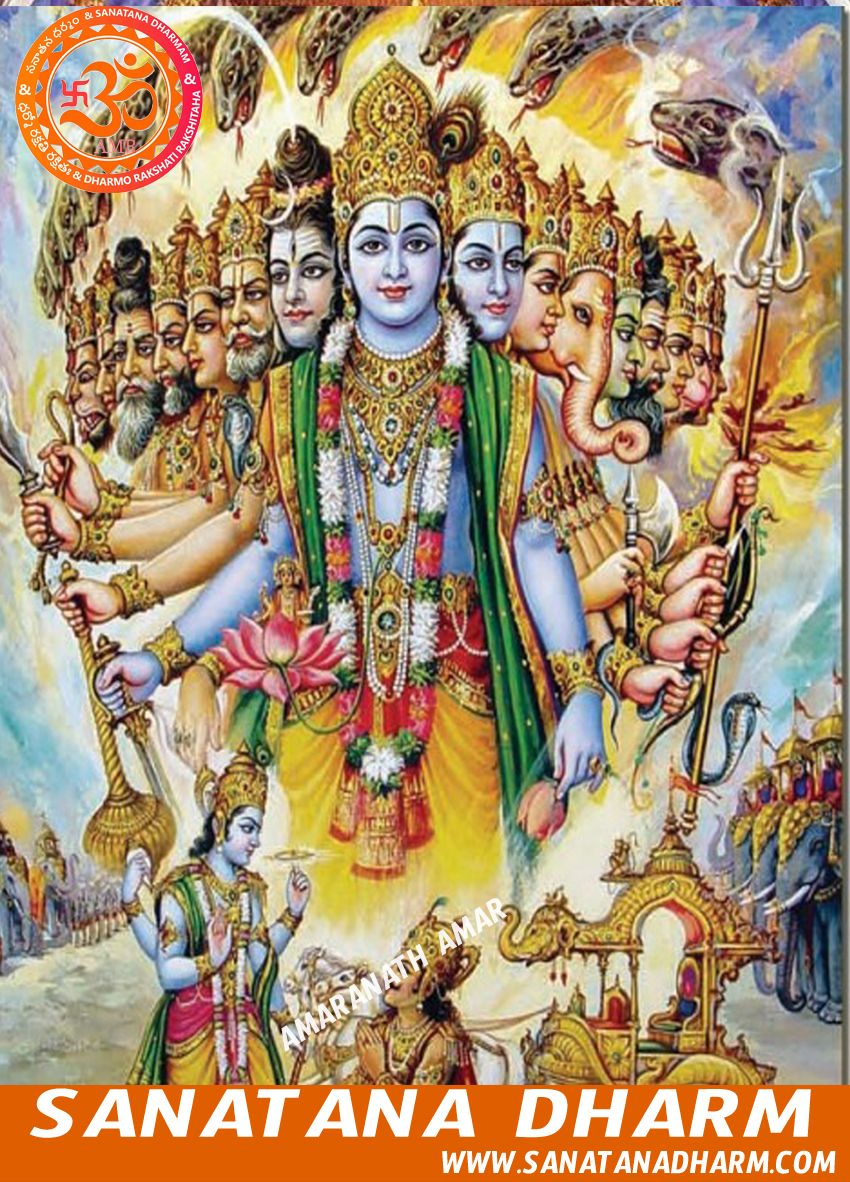
Remembering also, again and again, that most wonderful Form of Sri Krsna, great is my wonder and I rejoice over and over again. (77)
हे राजन् ! श्रीहरि के उस अत्यन्त विलक्षण रूप को पुनः-पुनः स्मरण करके मेरे चित्त में महान् आश्चर्य होता है और मैं बार-बार हर्षित हो रहा हूँ ।।७७ ।।
यत्र योगेश्वरः कृष्णो यत्र पार्थो धनुर्धरः।
तत्र श्रीर्विजयो भूतिर्ध्रुवा नीतिर्मतिर्मम।।७८।।
Wherever there is Bhagavan Sri Krsna, the Lord of Yoga, and wherever there is Arjuna, the wielder of the Gandiva bow, goodness, victory, glory and unfailing righteousness are there: such is my conviction.
हे राजन् ! जहाँ योगेश्वर भगवान् श्रीकृष्ण हैं और जहाँ गाण्डीव-धनुषधारी अर्जुन हैं, वहीं पर श्री, विजय, विभूति और अचल नीति है—ऐसा मेरा मत है ।। ७८ ।।
What is the final message of the Bhagavad Gita?
The final message is to surrender completely to God, perform one's duty without attachment, and trust in divine grace. Krishna tells Arjuna: "Abandon all varieties of dharma and simply surrender unto Me. I shall deliver you from all sinful reactions."
How many shlokas are in Bhagavad Gita Chapter 18?
Chapter 18 is the longest chapter with 78 shlokas. It summarizes all the teachings of the Gita and concludes with Krishna's final instruction to Arjuna.